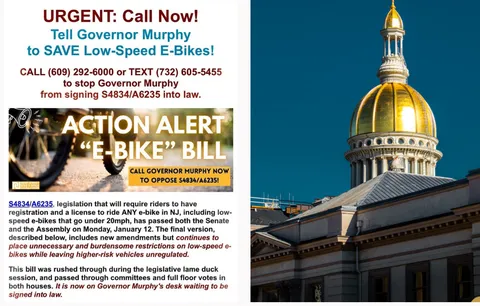


Current bicycle advocacy engages in elite and gendered capture. It leverages the visible struggle of the working-class cyclist—particularly delivery workers and residents of economically oppressed and hypersegregated neighborhoods—as a moral shield for grants, while prioritizing infrastructure for a default user imagined as male, athletic, and recreational: the high-speed "roadie" seeking unimpeded raceways. The result is policy that facilitates unregulated free-market conditions for delivery apps and treats recreation as "commuting."
This model is exclusionary by design. It promotes high-speed, high-cost e-bikes and infrastructure valuing velocity over access, effectively telling a huge portion of the population—women, gender-nonconforming people, and anyone prioritizing accessibility over speed—that the bicycle is not a tool for them. It ignores that concerns of harassment, not just traffic, are primary barriers. When the design standard is an athlete with grandiose delusions, it fails the person who needs to make a short trip in regular clothes, at night, or while carrying a bag—and this person is MOST people.
True progress requires a feminist reorientation of infrastructure, shifting from a paradigm of competition and unimpeded flow to one of universal access and bodily autonomy. We need to confront the system's most brutal failures. If we solve for unharassed passage and physical protection it creates a baseline of safety that liberates everyone else: the woman riding home after dark, the non-athlete, the person running an errand. This isn't about caregiving; it's about the fundamental right to access public space without intimidation. We move from designing for a narrow idea of "cyclists" to designing for people on bicycles, securing a system where safety and dignity are not privileges, but entitlements.
A Framework for Solidarity
I. FOUNDATIONAL DEMANDS
These are the non-negotiable needs of the working class people who use a bicycle.
- Economic & Legal Security: Mandate PIP (Personal Injury Protection) for cyclists in all states. This is insurance that follows the person, not the vehicle, covering medical costs and lost wages regardless of fault.
- Labor Power: Build One Big Union for Cyclists, specifically for app-based delivery workers and couriers, to collectively bargain for fair pay, safety standards, and benefits.
- Infrastructure Integrity: Ban Autonomous Vehicles (AVs) from sidewalks and dedicated bicycle infrastructure. Protect these spaces for human-scale, vulnerable users.
II. IMMEDIATE INTERVENTIONS
Direct actions and advocacy goals that address daily survival.
- Truth in Advocacy: Stop lying about parks as commuting options. Advocate for direct, accessible, and efficient routes on city streets where people actually live and work.
- End "Elite Capture" in Grants: Demand grant criteria prioritize projects that serve essential trips (to work, school, groceries) in low-income corridors, not just recreational loops or downtown "bike lanes to nowhere."
- Justice in Enforcement: End police ticketing of historically excluded people (African Americans, immigrants) delivery cyclists for minor infractions (e.g., sidewalk riding where streets are unsafe) and redirect enforcement to the Source of Inaccessibility: speeding cars, blocked bike lanes, and dangerous drivers.
III. SYSTEMIC CHANGES
The long-term vision achieved by centering the working class.
- Universal Safe Infrastructure: Network of protected, connected bike lanes designed for all ages and abilities, prioritized in transit deserts and job centers.
- Logistical Hubs & Public Amenities: Secure bike parking, charging stations, and public restrooms in commercial and transit districts.
- Redefine "Cyclist" in Policy: Shift the narrative from "cyclist" as a recreational identity to "people who use bicycles" as a transportation demographic deserving of the same protections and considerations as other road users.